The evolution of gambling From ancient bets to modern casinos
The Origins of Gambling
The practice of gambling can be traced back to ancient civilizations, where it was often intertwined with daily life and cultural rituals. Archaeological evidence indicates that the earliest forms of betting occurred in China around 2300 BC, where tiles were discovered that suggest a rudimentary game of chance. Similarly, ancient Egyptians engaged in betting activities that revolved around games involving dice, suggesting a long-standing human fascination with luck and risk. As the industry progressed, platforms like Slotzania online casino began to emerge, offering players a modern twist on traditional gaming.
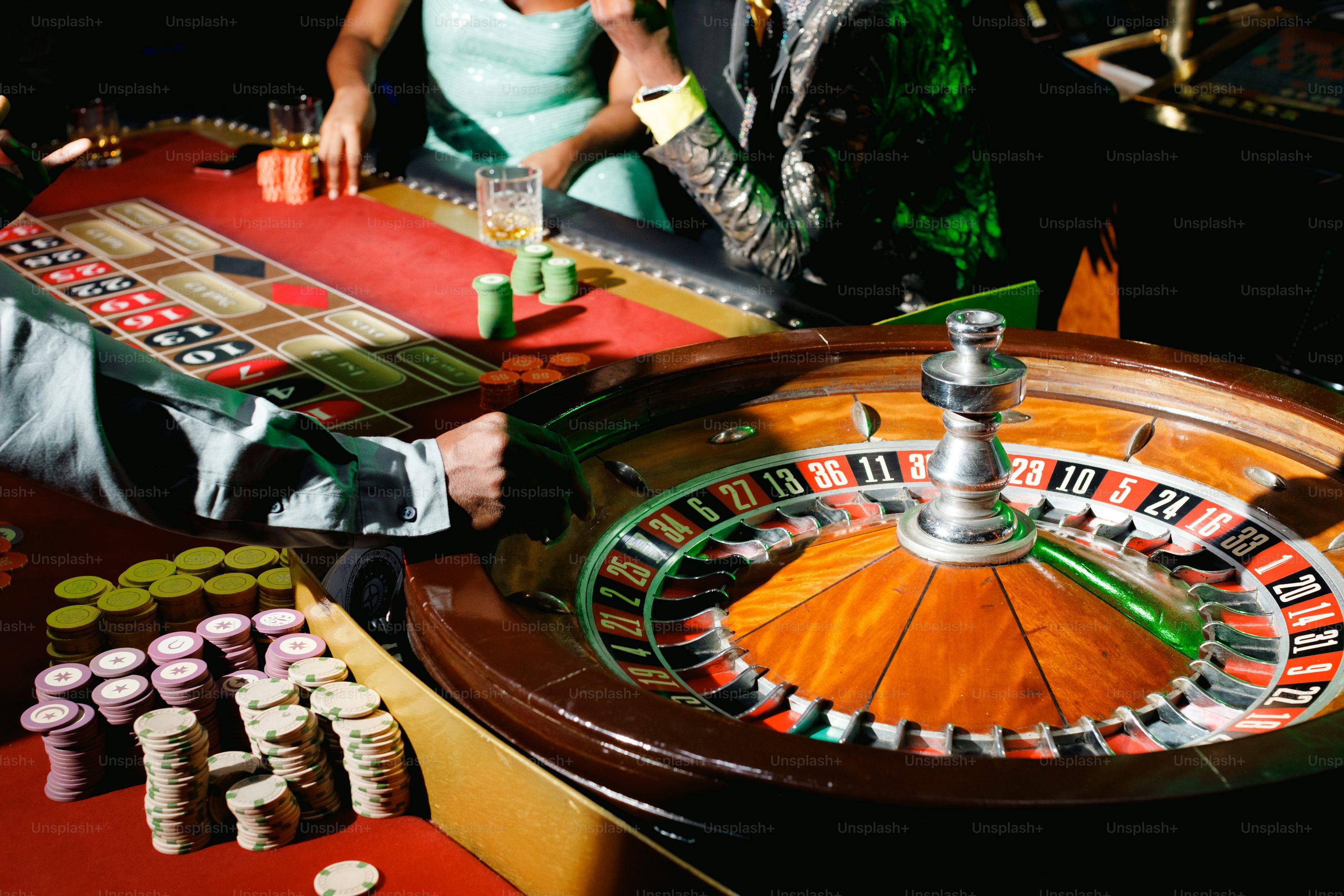
In ancient Rome, gambling was institutionalized, with citizens participating in various games, including betting on gladiatorial combat and racing events. The Romans even established laws regarding gambling, reflecting both its popularity and the potential for social disruption. This deep-rooted tradition laid the groundwork for gambling’s evolution as a structured activity, which would flourish in various forms throughout history.
As societies evolved, so did gambling practices. In the Middle Ages, Europe saw the emergence of card games, which quickly spread across the continent. The invention of playing cards in China and their subsequent arrival in Europe marked a significant development in the gambling landscape, paving the way for future casino games. This transition from ancient forms of gambling to card games represented not just a change in medium but also a shift in cultural attitudes towards gaming as a form of entertainment.
The Rise of Organized Gambling
The 17th century marked a pivotal point in the evolution of gambling with the establishment of the first official gambling houses. In Italy, casinos emerged as exclusive venues for the wealthy, setting the stage for modern gambling establishments. These early casinos offered various games, including faro and basset, attracting aristocrats and creating a culture of high-stakes gambling that would later define the casino experience.
As organized gambling became more popular, governments began to take notice, leading to legislation aimed at regulating the activity. The first modern gambling law was enacted in 1853 in the United Kingdom, allowing for licensed betting houses. This regulatory framework not only legitimized gambling but also allowed it to flourish under government oversight, thereby contributing to its societal acceptance and integration.
During the 19th century, gambling expanded further with the introduction of racetracks and lotteries. The establishment of the betting pool at horse races became a social event, drawing in large crowds eager to place wagers. The legal framework surrounding these activities helped transition gambling from a clandestine pastime to a widely accepted form of entertainment, setting the stage for the grand casinos we know today.
The Development of Modern Casinos
The 20th century heralded the birth of the modern casino, with Las Vegas becoming the epicenter of gambling culture. The legalization of casinos in Nevada in 1931 transformed the landscape, leading to the rapid development of extravagant resorts featuring a variety of gaming options. The allure of the Vegas Strip was bolstered by the introduction of iconic landmarks, glitzy shows, and luxurious accommodations that catered to a growing clientele.
Casinos began to embrace marketing strategies that focused on creating an immersive experience for players. They introduced loyalty programs, complimentary drinks, and entertainment to keep patrons engaged. This evolution in casino design and marketing reflected a deep understanding of the psychology behind gambling, as casinos sought to enhance the thrill of the game while simultaneously encouraging players to spend more time and money.
As technology advanced, casinos incorporated electronic gaming machines and online platforms into their offerings. The internet revolutionized gambling, allowing players to access a vast array of games from the comfort of their homes. This shift not only broadened the audience for gambling but also encouraged the creation of innovative games and betting options, blending traditional experiences with modern technology.
The Psychology of Gambling
The psychology of gambling plays a crucial role in understanding why individuals are drawn to betting. Many gamblers experience a thrill from the uncertainty of outcomes, often seeking the adrenaline rush associated with risk-taking. This thrill can lead to a cycle of excitement and reinforcement, where players find themselves returning to the tables or machines for the next big win, creating a complex relationship with gambling.
Addiction is another critical aspect of gambling psychology, with some individuals developing compulsive behaviors that can have detrimental effects on their lives. Recognizing the signs of problem gambling is essential for both players and casino operators. Many casinos have begun to incorporate responsible gambling measures, offering resources and support for those who may be struggling with their gambling habits.
The role of environment also significantly influences gambling behavior. Casinos are meticulously designed to create a sense of allure and excitement, with lighting, sounds, and layouts that encourage longer play. Understanding these psychological triggers is key for operators aiming to create an engaging atmosphere while remaining sensitive to the potential for addiction and its impacts on individuals and communities.

Slotzania: A New Frontier in Online Gambling
In the rapidly changing landscape of gambling, Slotzania represents a modern take on the traditional casino experience. This online platform offers hundreds of slot games from top developers, making it accessible for players looking to enjoy gaming from their own homes. With a user-friendly interface designed for both desktop and mobile users, Slotzania caters to a diverse audience, allowing them to engage in thrilling gameplay wherever they are.
One of the key features of Slotzania is its commitment to providing generous welcome bonuses, which entice new players to join and explore the various offerings. This strategic approach not only attracts a wider player base but also encourages users to experience the full range of games available. The incorporation of crypto payments also aligns with current trends in financial transactions, providing players with fast and secure options for deposits and withdrawals.
Dedicated customer support available 24/7 enhances the overall gaming experience at Slotzania, ensuring that players can find assistance whenever needed. This commitment to player satisfaction reflects a growing understanding of the importance of customer service in the online gambling environment, setting Slotzania apart as a forward-thinking platform in the industry.
Leave a Reply