Gambling through the ages A journey of risk and reward
The Origins of Gambling
Gambling dates back thousands of years, rooted in human history as a form of entertainment and risk-taking. The earliest evidence can be traced to ancient civilizations, including the Chinese, where evidence of rudimentary games of chance has been found as far back as 2300 BC. The development of dice, made from animal bones, set the foundation for games that combined luck with skill. These early forms of gambling often had religious or cultural significance, allowing people to engage in games that reflected their beliefs and societal values. This dynamic landscape has evolved to include modern entertainment options like the chicken subway game, captivating players in new ways.

As civilizations advanced, so did the complexity of gambling. The Romans popularized betting on chariot races and gladiatorial contests, transforming gambling into a social activity enjoyed by all classes. The introduction of more structured betting systems, particularly during this era, established a framework that would influence modern gambling practices. This period marked the shift from informal, localized betting to organized games that catered to larger audiences, paving the way for the vibrant gambling culture we recognize today.
By the Middle Ages, gambling was widely practiced across Europe, with the advent of card games marking another significant evolution in the field. The introduction of playing cards brought new opportunities for risk and reward, attracting nobility and commoners alike. As gambling continued to flourish, it became intertwined with various social issues, including legislation and morality debates that persist to this day. This rich historical backdrop illustrates how gambling evolved, adapting to societal changes while remaining a constant source of intrigue and excitement.
The Rise of Casinos and Organized Gambling
The establishment of the first official casino, the Casino di Venezia in Italy during the 17th century, marked a pivotal moment in the history of gambling. This venue not only offered games of chance but also became a hub for social interaction and entertainment. The concept of a dedicated space for gambling caught on across Europe, leading to the development of numerous establishments designed to cater to those seeking both excitement and the thrill of potential financial gain. Casinos evolved into ornate structures, combining luxury and leisure, which attracted the wealthy elite and common folk alike.
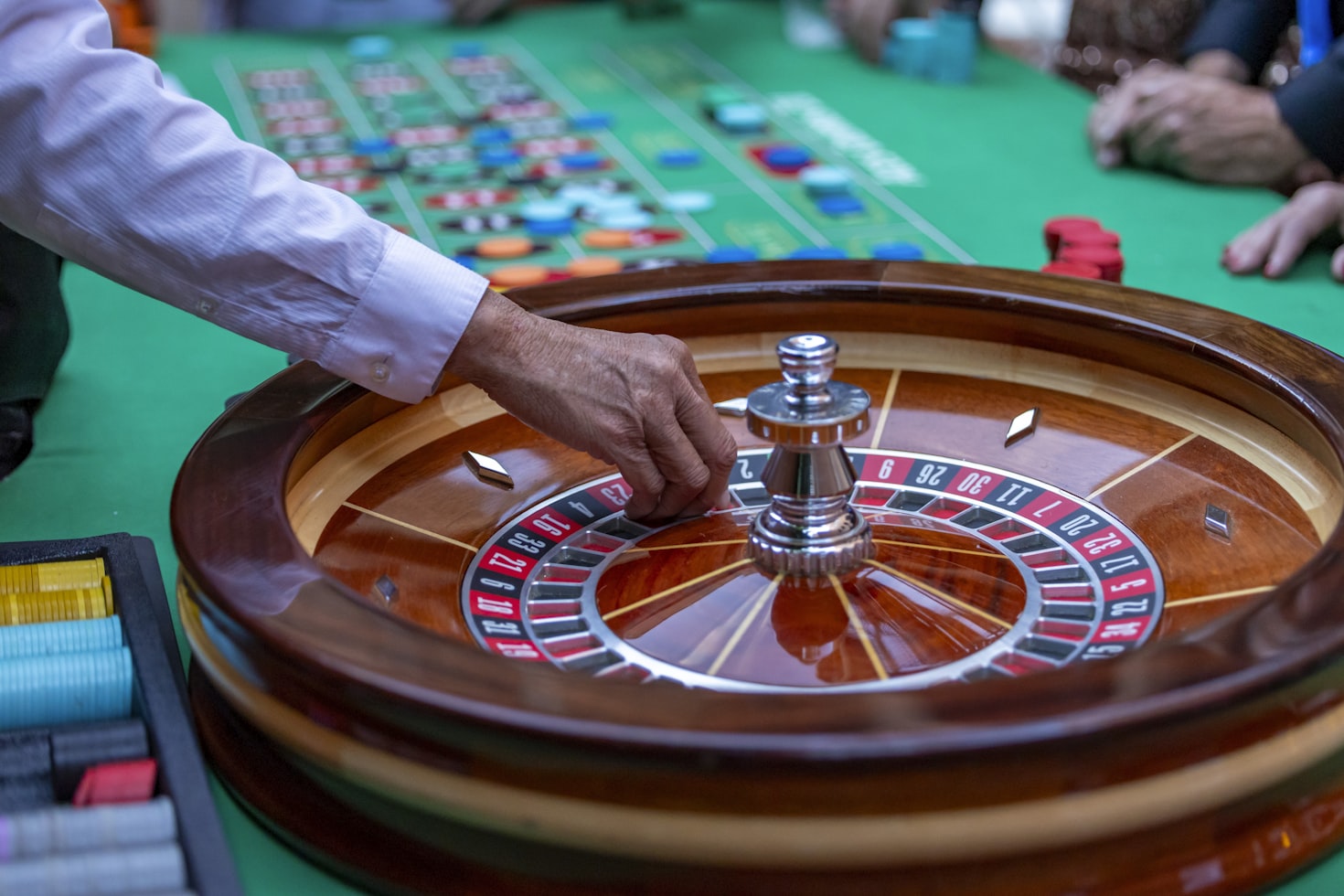
During the 19th century, gambling gained a further boost with the introduction of the Monte Carlo Casino, establishing a reputation for grandeur and high stakes. This era saw the birth of games like roulette and baccarat, which would become mainstays in casinos worldwide. The allure of these establishments grew as they not only offered gambling but also served as entertainment venues featuring music, dining, and lavish performances, making them social hotspots that extended beyond mere betting.
As the 20th century progressed, the legalization of gambling in various regions, including Las Vegas, transformed the landscape. Las Vegas became synonymous with gambling culture, showcasing extravagant casinos and attracting millions of tourists. The evolution of casinos into multi-faceted entertainment complexes, complete with hotels, restaurants, and shows, marked a significant shift, making gambling accessible and appealing to a broader audience. This transformation solidified the casino’s role in society as a destination for risk and reward.
Technological Advancements and Online Gambling
The digital revolution dramatically reshaped the gambling landscape, particularly with the emergence of online casinos in the late 20th century. As internet connectivity became widespread, the ability to gamble from the comfort of home transformed traditional practices. Online platforms offered a vast array of games, including slots, poker, and live dealer experiences, making gambling more accessible than ever. This shift not only attracted seasoned gamblers but also introduced a new generation to the thrill of risk-taking.
Technological advancements continued to innovate the online gambling experience. The integration of mobile technology has allowed players to gamble on-the-go, further enhancing convenience and engagement. Modern gaming platforms often incorporate interactive elements, enabling users to participate in live games and interact with dealers and fellow players in real-time. This immersive experience has blurred the lines between physical and online gambling, creating a seamless transition for players who wish to engage in both realms.
Moreover, advancements in payment processing and security have bolstered trust in online gambling. Cryptocurrencies and e-wallets provide players with anonymity and swift transactions, making online gambling not only appealing but also secure. As online gambling continues to evolve, it is clear that technological advancements play a crucial role in shaping how individuals engage with games of chance, ensuring that the journey of risk and reward remains dynamic and ever-changing.
The Cultural Impact of Gambling
Gambling has woven itself into the cultural fabric of societies around the world, influencing literature, film, and art throughout history. The portrayal of gambling in popular culture reflects various societal attitudes toward risk, reward, and morality. Classic novels like Dostoevsky’s “The Gambler” explore the psychological complexities of addiction, showcasing both the allure and peril of gambling. Similarly, modern films like “Casino Royale” highlight the glamorous yet dangerous aspects of high-stakes gambling, depicting a world where fortune and disaster often collide.
Furthermore, gambling has contributed to the formation of social norms and community interactions. In many cultures, local betting games are integral to social gatherings, fostering camaraderie and competition among participants. Events like poker nights or betting pools during major sports events create a shared experience, enhancing community bonds. This social dimension of gambling underscores its significance as more than just a game; it serves as a means of connection and entertainment across various demographic groups.
As societal views on gambling continue to evolve, discussions around ethics and responsibility have emerged. Awareness of problem gambling has led to initiatives promoting responsible gaming practices, emphasizing the need for balance in enjoying the thrill of risk. Through education and community support, the cultural narrative surrounding gambling is gradually shifting toward a more responsible approach, recognizing its dual nature as both a source of entertainment and a potential risk.
Discovering New Horizons in Gambling
As we explore the journey of gambling through the ages, it’s clear that the landscape is ever-evolving, with new opportunities continuously emerging. Innovative games and platforms, such as Chicken Subway, provide unique gaming experiences that blend skill with chance, allowing players to navigate risk in novel ways. These fresh offerings cater to both casual and serious gamblers, reflecting the dynamic nature of the gambling world.
Emphasizing both entertainment and potential rewards, modern gambling platforms aim to create engaging environments that captivate players. With high Return to Player (RTP) rates and mobile-friendly designs, these platforms are designed to maximize user experience, ensuring that the thrill of gaming is accessible anytime, anywhere. As gambling continues to adapt to technological advancements and changing cultural attitudes, the industry remains a robust field ripe for exploration.
Whether one prefers traditional casinos or innovative online platforms, the essence of gambling—risk and reward—remains timeless. As new generations embrace gaming in various forms, the journey of gambling is likely to continue its fascinating evolution, promising excitement and intrigue for years to come.
Leave a Reply