Understanding the psychological games behind casino gambling decisions
The Allure of Risk: Why We Gamble
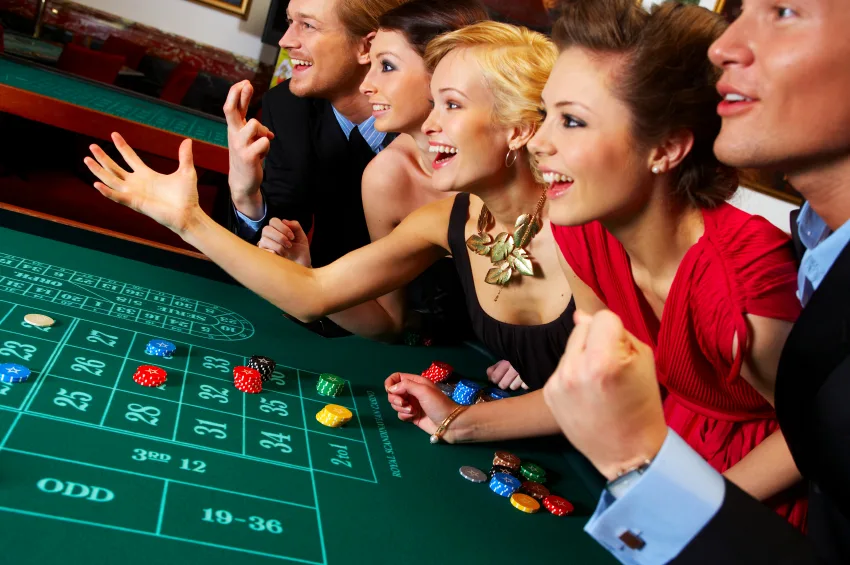
At the heart of gambling lies a complex interplay of human emotions and cognitive processes. The thrill of risking money for the chance of a significant reward creates a unique psychological cocktail that appeals to many. This allure is often exacerbated by the environment of a casino, filled with lights, sounds, and the palpable excitement of other players. These sensory stimuli can heighten arousal and lead individuals to make impulsive gambling decisions, often overlooking the risks involved. Furthermore, players can explore new options, including https://longfu-88.casino/, which offers diverse gaming experiences.

Moreover, the concept of loss aversion plays a crucial role in gambling psychology. Research suggests that people are more motivated to avoid losses than to acquire equivalent gains. This inherent bias can lead gamblers to chase their losses, resulting in escalating stakes and potentially destructive behavior. By understanding these psychological triggers, players can become more aware of their impulses and the detrimental patterns that might arise.
The desire for social connection also drives many individuals to casinos. Gambling often occurs in a communal setting, fostering a sense of belonging among players. This social aspect can reinforce gambling behavior, as individuals may feel encouraged to participate through peer influence. Furthermore, the shared experience of winning or losing can create lasting bonds, making it difficult for some to recognize when their gambling becomes problematic.
The Gambler’s Fallacy: Misunderstanding Probability
The Gambler’s Fallacy is a cognitive bias that leads individuals to believe that past events influence future outcomes in random games. For instance, a player might think that if a particular number hasn’t appeared in a roulette game for several spins, it is “due” to come up soon. This misunderstanding of probability can skew decision-making and result in illogical bets. Players often overestimate their understanding of odds, leading to misguided strategies that can erode their bankroll.
Casinos capitalize on this fallacy by offering games where players can feel a sense of control, such as blackjack or poker. Here, the illusion of skill can further distort their perception of probability. Gamblers may convince themselves that their decisions can influence outcomes, even though chance plays a dominant role. This cognitive distortion can lead to significant financial losses as players cling to the belief that they can “beat the system.”
Furthermore, the Gambler’s Fallacy contributes to the vicious cycle of gambling addiction. When players experience occasional wins, they may incorrectly attribute these successes to their flawed strategies rather than random chance. This misinterpretation reinforces their gambling behavior, leading to persistent play and financial strain. It is vital for individuals to recognize this fallacy and assess their decisions critically, fostering healthier gambling habits.
The Role of Emotion in Gambling Choices
Emotions serve as a powerful influence on gambling behavior. When players are in a heightened emotional state—whether due to excitement, frustration, or anxiety—they are more likely to make impulsive decisions. The interplay between emotions and gambling choices can lead individuals to place larger bets or play for extended periods than they originally intended. Understanding this dynamic can help gamblers gain more control over their actions and develop strategies to manage their emotional responses.
Moreover, the excitement of winning can create an emotional high, leading players to seek out additional risks. This phenomenon, often referred to as the “winning streak,” can be deceptive, as it encourages gamblers to chase the feeling of exhilaration that comes with a win. Consequently, they may ignore the statistical realities of the game, which often favor the house in the long term. Players must be aware of how emotions can cloud their judgment and lead them to gamble beyond their means.
Conversely, negative emotions like sadness or boredom can also drive individuals to gamble as a form of escapism. Many people turn to gambling to distract themselves from personal issues or stress, compounding their problems. Understanding the emotional triggers that lead to gambling can empower individuals to seek healthier coping mechanisms, preventing further financial and emotional damage.
The Influence of Marketing and Design in Casinos
Modern casinos are designed with psychological principles in mind, utilizing architecture and marketing strategies to enhance player engagement. The layout of the casino floor, for example, is often designed to keep players inside for as long as possible. By strategically placing games, removing clocks, and limiting windows, casinos create an environment that encourages continuous play. This design can lead players to lose track of time and spend more money than intended.
Marketing efforts also target gamblers’ psychological tendencies. Promotions, loyalty programs, and bonuses are crafted to entice players into spending more. These tactics often exploit cognitive biases, such as the sunk cost fallacy, which makes it difficult for individuals to walk away once they have already invested time and money. By understanding how marketing manipulates gambling behavior, players can become more informed consumers and make more rational decisions.
Furthermore, the use of near-misses in slot machines—where players come close to winning but ultimately lose—can perpetuate gambling behavior. This psychological trick can trigger feelings of hope and excitement, prompting players to continue playing in pursuit of the elusive win. Recognizing these tactics can equip players with the tools needed to resist impulsive decisions and maintain control over their gambling habits.
Conclusion: Navigating the Psychological Landscape of Casino Gambling
Understanding the psychological games behind casino gambling decisions is crucial for anyone looking to engage in this form of entertainment responsibly. Recognizing emotional triggers, cognitive biases, and the effects of the gambling environment can empower individuals to make more informed choices. By being aware of these psychological factors, players can cultivate a healthier relationship with gambling and minimize the risks associated with it.
For those seeking a comprehensive gaming experience, Longfu88 Casino offers an engaging platform designed with the player in mind. With a wide array of games and user-friendly features, the casino aims to create an enjoyable environment while also being conscious of responsible gaming practices. Players can explore a variety of options and discover the excitement of casino games without losing sight of their personal limits.
Leave a Reply