Understanding the psychology behind casino players what drives their behavior
The Allure of Casino Gaming
The thrill of entering a casino is undeniable, drawing players in with vibrant lights, exciting sounds, and the promise of potential winnings. This sensory overload creates an environment that stimulates excitement and anticipation, which are potent psychological motivators. For many, the casino represents a temporary escape from everyday life, offering a chance to indulge in fantasy and adrenaline. It’s this emotional rollercoaster that fuels repeated visits, as players seek to relive that initial rush.
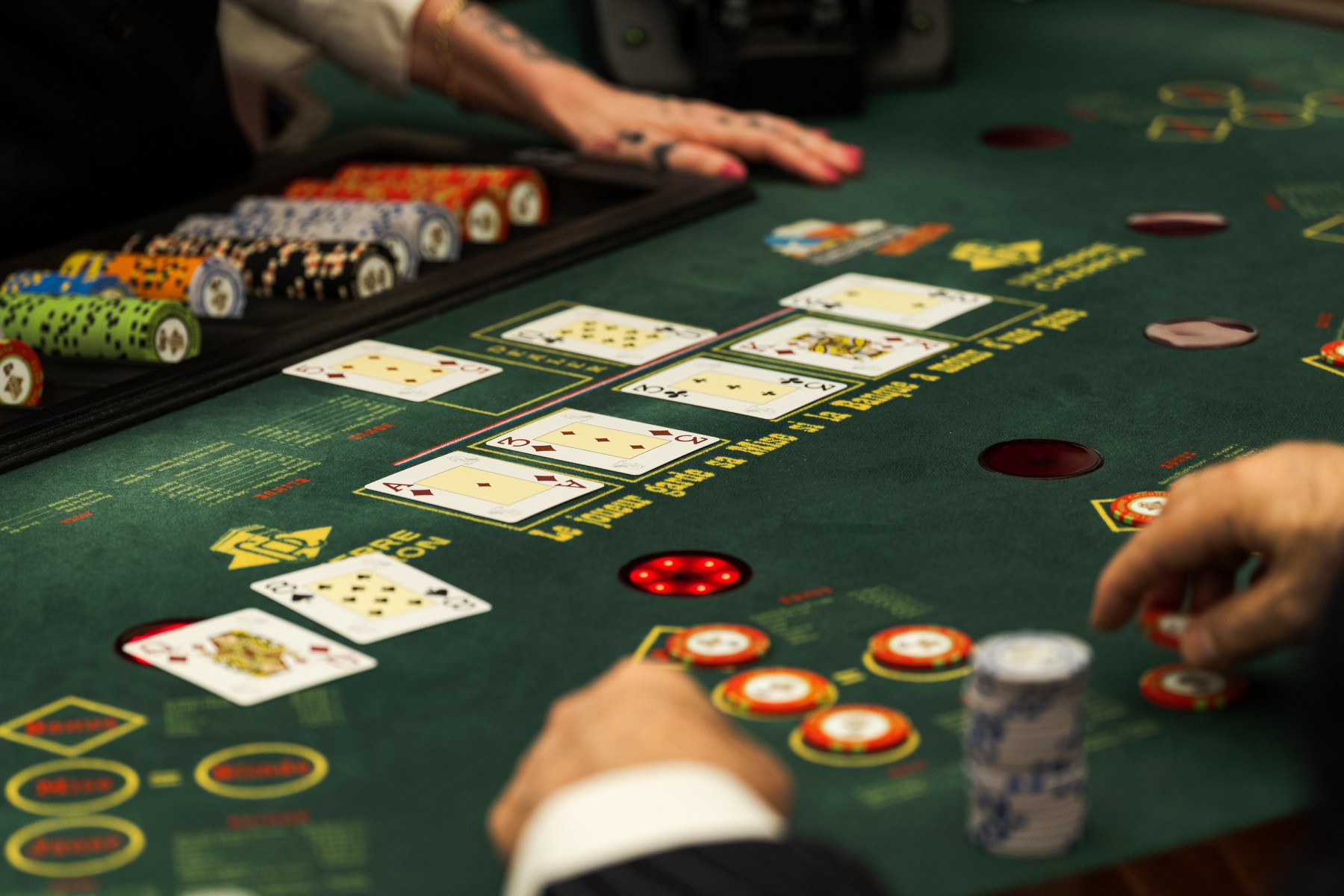
Moreover, casinos are designed to keep players engaged for as long as possible. The layout often lacks windows and clocks, creating a disorienting atmosphere where time seems to stand still. This design choice exploits cognitive biases, making it easier for players to lose track of time and their spending. The combination of excitement and disorientation drives players to continue wagering, often leading to impulsive betting behavior that can override rational decision-making. https://bet9ja-app.com.ng/en-ng/
Understanding the psychological appeal of casinos also involves examining the concept of ‘near misses.’ When players almost win, their brains produce a surge of dopamine, reinforcing the desire to continue playing. This phenomenon can create a cycle of persistent gambling, where players believe that they are close to hitting the jackpot, further fueling their behavior. Consequently, this psychological interplay between excitement and disappointment keeps players returning, often despite financial losses.
The Role of Social Interaction
Casinos often serve as social hubs, where players can interact and bond over shared experiences. This social aspect is a significant factor in driving player behavior, as people are inherently social creatures. Engaging with others while playing can enhance the enjoyment of the game and create a sense of community. Many players enjoy the camaraderie that comes from sharing a table or experiencing a thrilling game together, making their casino visits about more than just winning money.
Furthermore, social reinforcement can significantly impact players’ decisions. For instance, observing others win can create feelings of excitement and hope, prompting individuals to place bets they might not have otherwise considered. This phenomenon illustrates how peer influence can shape behavior in the casino environment, encouraging people to take risks based on the actions of others around them. The desire for acceptance and belonging often drives these decisions, leading to higher stakes and greater engagement.
The Impact of Marketing and Promotions
Casinos employ a variety of marketing strategies to attract and retain players, leveraging psychological principles to maximize their appeal. Promotions, such as free play or bonuses, create an enticing proposition that plays on the excitement of getting something for nothing. This approach can lower the perceived risk of losing money, encouraging players to take chances they otherwise might avoid. The psychological principle of reciprocity suggests that players feel a sense of obligation to reciprocate after receiving something, often leading them to wager more than planned.
Additionally, loyalty programs are another tactic used to drive player behavior. By rewarding frequent players with points that can be redeemed for perks, casinos encourage ongoing engagement. This system capitalizes on the desire for rewards and can create a sense of attachment to the casino brand. As players accumulate points, they may feel compelled to return to the casino to maximize their rewards, even if it leads to risky behavior.
Moreover, the use of compelling narratives in advertising often taps into players’ emotions and fantasies. Casinos market themselves as places where anyone can become a millionaire overnight, appealing to the hope and ambition that many individuals possess. This narrative, combined with the thrill of gaming, can lead players to make decisions rooted in emotion rather than logic, often resulting in increased gambling activity and a disregard for potential losses.
The Psychology of Risk-Taking
Risk-taking is at the core of gambling behavior, and understanding why people are drawn to it is crucial in analyzing casino dynamics. Many players are thrill-seekers who find the uncertainty of outcomes exhilarating. This attraction to risk can stem from various psychological factors, including personality traits such as impulsivity and sensation-seeking. Research indicates that individuals who score high on these traits are more likely to engage in gambling activities, viewing the potential for loss as a part of the thrill.
Additionally, the concept of loss aversion plays a significant role in gambling behavior. Players often focus more on avoiding losses than on the potential for gains, which can lead to irrational decision-making. For example, a player might continue to bet in hopes of recouping previous losses, often leading to a spiral of increased risk-taking. This psychological trap can be detrimental, causing players to chase losses rather than recognizing when it’s time to walk away.
Moreover, cognitive biases, such as the illusion of control, can influence players’ perceptions of risk. Many gamblers believe that their skill or strategy can affect the outcome of games, despite the inherent randomness of most casino games. This belief can lead to an overestimation of their chances of winning, further encouraging riskier behavior. Understanding these psychological mechanisms is essential for both players and casino operators to foster a healthier gambling environment.
The Role of Online Platforms in Gambling Behavior
With the rise of online casinos and betting platforms, understanding player psychology has taken on new dimensions. Digital platforms often employ strategies similar to traditional casinos but can also enhance the experience through technology. The convenience of online gambling allows players to engage in gaming anytime and anywhere, which can amplify both positive and negative behaviors. The ease of access means that individuals might gamble more frequently, potentially leading to problematic gambling patterns.
Furthermore, online casinos often utilize algorithms that analyze player behavior to tailor experiences and promotions. This personalized approach can make players feel valued and understood, reinforcing their engagement. However, it can also lead to excessive gambling, as tailored offers might entice players to wager more than they initially intended. The blend of personalization and convenience creates a unique psychological landscape that operators must navigate responsibly.
Ultimately, the shift to online platforms also introduces challenges in monitoring player behavior and ensuring responsible gambling practices. Players may feel a sense of anonymity and detachment online, which can lead to riskier behavior compared to physical casinos. Understanding this dynamic is essential for both players and operators, emphasizing the importance of setting boundaries and promoting responsible gambling habits in digital environments.

Conclusion: Navigating the World of Gambling
Understanding the psychology behind casino players is crucial for fostering a healthier gambling environment. By examining the various factors that drive player behavior—from the allure of risk and social interaction to the impact of marketing and online platforms—stakeholders can create more informed approaches to gambling. This knowledge not only benefits players but also helps operators develop responsible gaming initiatives that prioritize player well-being.
As individuals navigate the exciting yet complex world of gambling, it is vital to remain aware of the psychological influences at play. Whether engaging in traditional casinos or exploring online platforms, maintaining a balanced perspective on risk and reward is essential. With the right mindset and understanding, players can enjoy the thrills of casino gaming while mitigating the potential pitfalls associated with gambling behavior.
Leave a Reply